
Psoriasis is a chronic inflammatory skin condition that often presents with red, scaly patches, itching, and burning sensations. Many patients find that conventional treatments such as steroids, UV therapy, or immunosuppressants provide only temporary relief. Ayurveda, the traditional system of medicine from India, offers a holistic approach that addresses both the physical symptoms and the underlying imbalances that trigger flare-ups.
In Ayurvedic understanding, psoriasis is primarily linked to an imbalance of Pitta dosha (the principle of heat and metabolism) and Rakta dhatu (the blood), along with the accumulation of Ama (toxic metabolic waste) and disturbances in Agni (digestive fire).
🍲 Ayurvedic Diet for Psoriasis
✅ Recommended (Pathya)
Support cooling of pitta, purification of blood, and balanced digestion:
Grains: Old rice, barley, wheat, oats, quinoa
Vegetables: Bitter gourd, bottle gourd, ash gourd, pumpkin, spinach, beetroot
Fruits: Pomegranate, apple, pear, figs, black grapes, watermelon
Legumes: Mung dal, lentils (light and digestible)
Dairy: Fresh boiled milk, buttermilk (diluted, spiced), ghee
Spices (mild): Turmeric, coriander, cumin, fennel
Oils: Coconut oil, sesame oil (for cooking and application)
Drinks: Herbal teas with neem, guduchi, coriander
❌ To Avoid (Apathya)
Foods that aggravate pitta, kapha, and ama:
Fried, oily, and fast foods
Very spicy, sour, or fermented foods
Red meat, shellfish, dairy with salty or sour meals
Alcohol, smoking, excess sugar, packaged snacks
Cold, stale, or leftover foods
🌿 Special Lifestyle Guidance
Eat light, freshly prepared meals, and avoid overeating
Use bitter herbs like neem, turmeric, guduchi, and aloe vera
Maintain a regular daily routine (Dinacharya)
Avoid daytime sleep and late nights
Manage stress with yoga, meditation, and pranayama
In a world where sleep is increasingly elusive—thanks to stress, screen time, and relentless schedules—many are turning to ancient wisdom for relief. One such remedy is Sirodhara, a deeply calming Ayurvedic therapy that’s gaining recognition for its ability to soothe sleeplessness and restore inner balance.
What Is Shirodhara?
Shirodhara (from Sanskrit: shiro = head, dhara = flow) is a therapeutic technique in Ayurveda where a gentle stream of warm, medicated oil is poured continuously over the forehead, specifically targeting the “third eye” area. This rhythmic flow induces a trance-like state of relaxation, calming the nervous system and quieting the mind
How Sirodhara Helps with Sleeplessness
Sirodhara is particularly effective for insomnia and sleep disturbances caused by stress, anxiety, and mental fatigue. Here’s how it works:
Sirodhara is particularly effective for insomnia and sleep disturbances caused by stress, anxiety, and mental fatigue. Here’s how it works:
The steady stream of oil stimulates the parasympathetic nervous system, which governs rest and digestion.
It reduces cortisol levels (the stress hormone), helping the body shift from a state of alertness to deep relaxation.
According to Ayurveda, sleeplessness is often linked to an imbalance in Vata dosha—associated with movement and mental activity.
Sirodhara pacifies Vata, grounding the mind and promoting stillness.
The therapy may enhance the secretion of melatonin, the hormone responsible for regulating sleep-wake cycles.
This helps reset circadian rhythms disrupted by modern lifestyles.
By reducing mental chatter and emotional turbulence, Sirodhara creates the conditions for restful sleep. It’s often used in conjunction with meditation and breathing practices for holistic healing.
Scientific Backing-Modern studies have begun to validate what Ayurveda has known for centuries:
Nasya Therapy in Cervical Spondylosis:
Cervical spondylosis, also referred to as degenerative cervical osteoarthritis, encompasses age-related changes to the intervertebral discs, uncovertebral joints, and vertebrae of the cervical spine. Neurological sequelae may arise from osteophyte formation, disc space reduction, or ligamentous calcification, manifesting as radiculopathy or myelopathy. Symptomatology includes cervical stiffness, cervicogenic headache, occipital neuralgia, vertigo, paraesthesia in upper limbs, and reduced cervical range of motion.
In the modern era of prolonged screen exposure and fixed neck posture—common in digital and desk-based professions—improper ergonomics, such as incorrect sitting positions and inappropriate keyboard height or hand placement, significantly contribute to strain and degeneration of the cervical spine.
From an Ayurvedic nosological perspective, this condition closely corresponds to Greeva Sandhigata Vata, a subtype of Vata Vyadhi. It arises when the inherent ruksha (dry), laghu (light), and chala (mobile) qualities of Vata become aggravated, predominantly affecting the asthi dhatu (bone tissue) and sandhi (joint) structures of the neck. This leads to stiffness, pain, restricted movement, and neurological symptoms—reflecting the disturbed balance of Vata within the cervical region.
Ayurvedic References
Classical Texts & Ayurvedic Correlations: Cervical spondylosis is related to Greeva Sandhigata Vata and Manyastambha as documented in Ayurvedic classics, where vitiated Vata dosha leads to degeneration of cervical joints and tissues. The foundational concept of Nasya as a Panchakarma therapy for disorders above the neck (“Urdhva Jatrugata Vikara”) is emphasized throughout authoritative Ayurveda treatises such as Charaka Samhita and Ashtanga Hridaya.
Ayurvedic diet is high in vegetables, fruits, whole grains and other naturally fiber-rich and wholesome food that not only provide lasting energy throughout the day, but keep the body toned and radiant. Fiber helps maintain a healthy digestive tract by providing bulk, which in turn helps eliminate toxins and waste. When the intestines are regularly cleaned, the body does not become overloaded with digested material that would otherwise seek elimination through the skin.
Food low in fat, helps to keep the blood clean, thus enhancing good circulation. An efficient circulatory system works to cleanse and nourish the whole system, and naturally help weight control. Foods high in refined sugars and carbohydrates give the body a quick boost of energy that is always followed by a physical (and emotional) low. This stresses the pancreas and adrenals, devitalizing the body. Refined carbohydrates deplete the body of minerals, which are so important for all vital functions. It is the combination of refined carbohydrates and excess protein, which forces toxins to the skin surface in the form of pimples.
Pañchakarma, the classical Ayurvedic detoxification and rejuvenation protocol, offers a structured therapeutic approach for disorders of the nervous system, muscles, joints, and connective tissues. Neuro-musculoskeletal conditions often arise from vāta imbalance, impaired dhātu nutrition, accumulated āma (metabolic toxins), and obstructed srotas (channels). Panchakarma addresses these root causes through a combination of purification, tissue lubrication, and restorative therapy.
Vāta governs nerve conduction, musculoskeletal mobility, and sensory-motor functions. Panchakarma stabilizes Vāta through snehana, swedana, and Vāta-hara procedures
Removing blockages in neuromuscular pathways improves: Nerve nourishment, Myofascial flexibility
Joint lubrication, Circulatory and lymphatic flow
In Ayurveda, beauty (saundarya) is not merely external appearance—it is the natural expression of inner balance, vitality, and well-nourished tissues. True beauty arises when body, mind, and spirit exist in harmony. Therefore, Ayurveda approaches beauty as a holistic state of well-being, where glowing skin, lustrous hair, bright eyes, and graceful aging are reflections of internal health.
Herbs for Beauty
Internal (to purify and nourish)
Amla – richest vitamin C source, collagen booster
Triphala – detox for gut → cleanses skin
Ashwagandha – anti-aging, improves circulation
Brahmi / Gotu Kola – enhances ojas, reduces inflammation
Turmeric – blood purifier, anti-pigmentation
External (for skin glow)
Kumkumadi Oil – saffron-based, brightening
Aloe Vera – soothing, hydrating
Neem – acne control
Sandalwood – cooling, anti-blemish
Manjistha – detoxifies blood, improves complexion
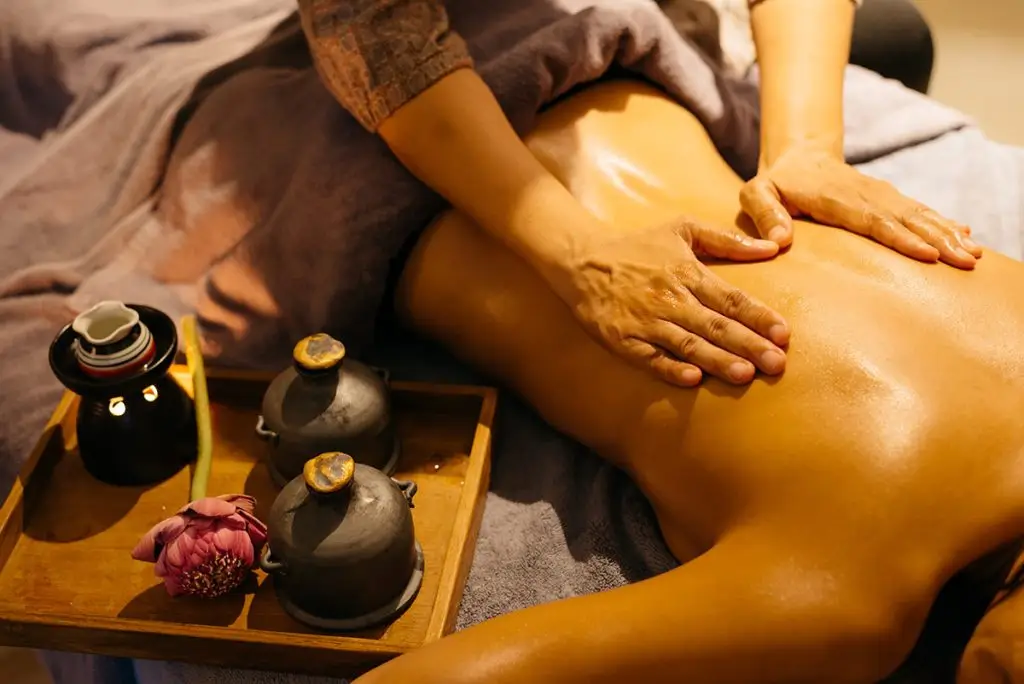
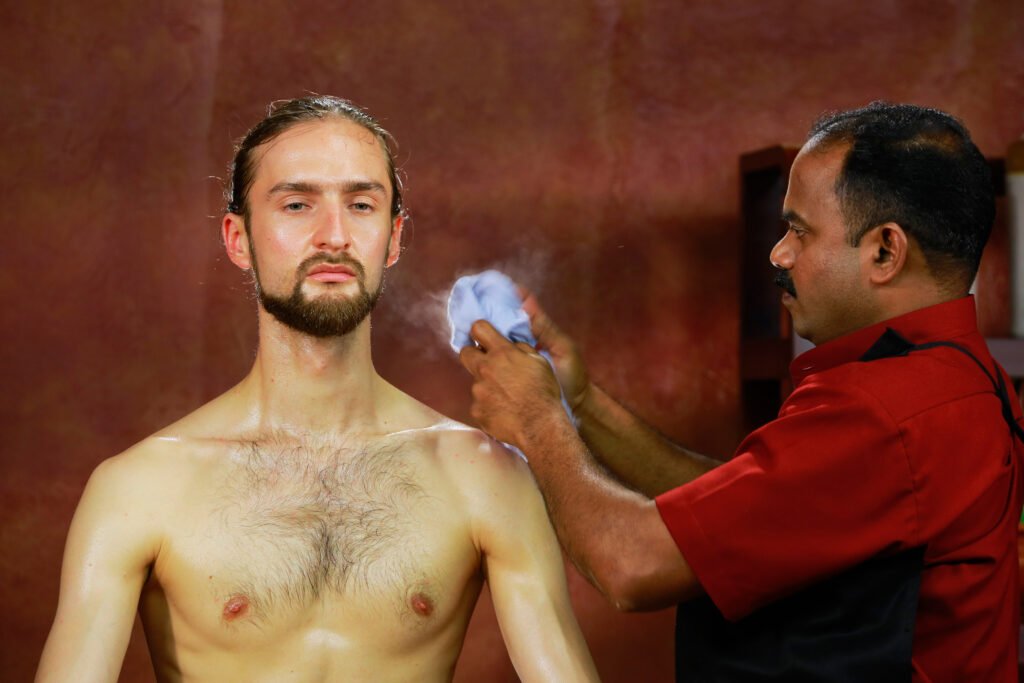
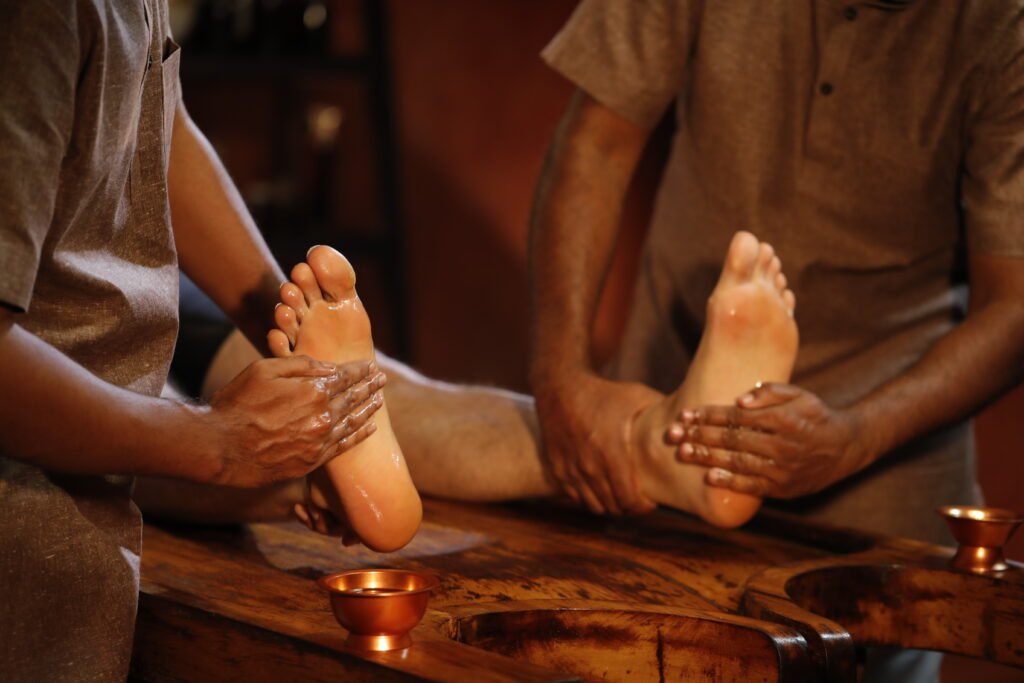
At Hotel Kerala, we combine the exotic essence of India with the hospitality and unique nature of Western Asturias. Enjoy exclusive accommodations with authentic Kerala touches and indulge in total relaxation with our professional Ayurveda massages. Your oasis of peace and well-being awaits you, very close to the airport and the beautiful town of Cudillero.


Relájate en un oasis de bienestar inspirado en la esencia de Kerala
© Todos los derechos reservados.